


Türkiye is leveraging its love for home-style cooking to entice summer travelers, as a growing number of globetrotters seek authentic culinary experiences. According to recent research, travel and tourism top leisure choices this summer at 79%, followed by food-related activities at 70%. The data shows a broader shift in how tourists approach their journeys, prioritizing genuine local interactions over passive sightseeing. This development has positioned culinary tourism as a significant driver for destinations capable of delivering memorable gastronomic encounters.
Türkiye’s diverse cuisine, rich in fresh produce, olive oil, herbs, and seafood, aligns perfectly with this trend. The country’s kitchens draw heavily from agricultural traditions spanning thousands of years, incorporating ingredients cultivated in fertile valleys and coastal waters. From the Aegean coast to Anatolia and the Black Sea, summer dishes offer a lighter complement to the country’s sun and beaches. Chilled soups, olive-oil vegetables, salads, and homemade drinks are all part of the seasonal fare that locals have enjoyed for generations. The emphasis on seasonal ingredients ensures that visitors experience ingredients at their peak freshness and flavor.
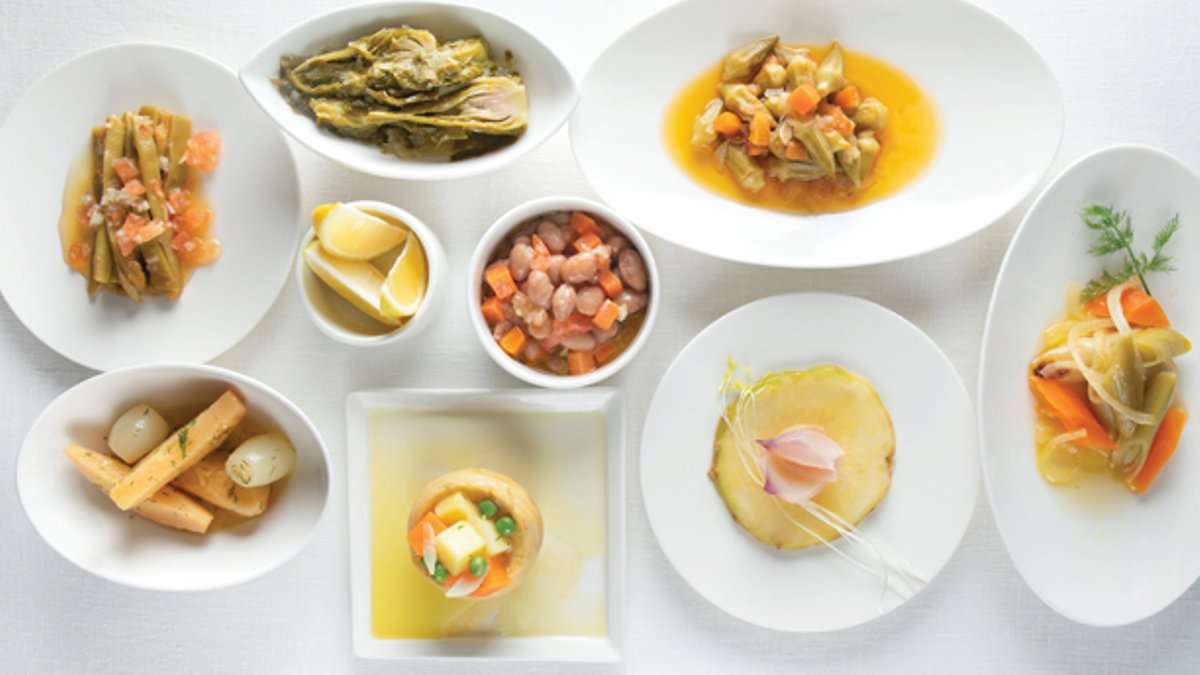
One refreshing dish gaining popularity nation-wide is ayran aşı, a cold yogurt-based soup once exclusive to Eastern Anatolia. Similarly, olive-oil specialties like green beans, courgettes, and dolma are staples, often accompanied by traditional salads and chilled drinks. These preparations reflect a culinary philosophy centered on balancing flavors while maintaining the natural taste of ingredients.
Related: Malaysian Heritage Journeys Offer Merdeka Travel Deals
Esnaf lokantaları, traditional local eateries, offer freshly prepared home cooking at affordable prices, mirroring the global trend of “nonna-stalgia” or “grandma-core” dining. These establishments occupy a cherished place in Turkish daily life, serving workers, families, and visitors seeking honest, unpretentious meals. The comfort found in these simple dishes extends beyond mere sustenance, evoking memories of home kitchens and familial gatherings. Meanwhile, seaside meyhane restaurants combine seasonal meze, fresh seafood, and leisurely meals with a view. These establishments often feature dozens of small dishes served alongside bread, allowing diners to sample an array of flavors while soaking in coastal atmospheres.
For dessert, Maraş ice cream, made with goat’s milk and wild orchid tubers, provides a unique, dense, and slow-melting treat. This summer cuisine is proving to be an additional draw for GCC travelers, encouraging them to linger and extend their holidays. Beyond the beaches and historical sites, food has emerged as a compelling reason to explore Türkiye’s varied regions and their distinct culinary identities.


